How hate begins — and how we can stop it together CJP’s resources on how to fight hate
22, May 2026 | CJP Team
From everyday prejudice and disinformation to organised violence, hate grows systematically. Understanding this journey is the first step towards resisting it — through solidarity, reason, and collective action.
Hate does not appear overnight. It begins quietly — in everyday prejudice, stereotypes, insensitive remarks, exclusionary language, and fear of difference. Left unchecked, these biases deepen into discrimination, violence, and eventually the systematic targeting of entire communities. This resource unpacks the “Pyramid of Hate,” showing how hate speech and disinformation fuel division and normalise hostility in society. It also explores how ordinary citizens can push back collectively — by speaking up, building trust across communities, and strengthening initiatives like Mohalla Committees that work to prevent rumours, counter hate, and protect peace at the neighbourhood level.
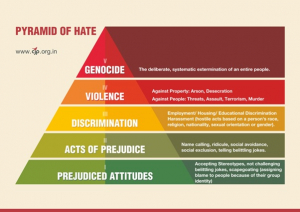
Hate often begins with seemingly small biases and prejudices — judging someone for their appearance, mannerisms, or the way they choose to pray. Yet these attitudes have the capacity to consume an entire society. “It is these biased attitudes — stereotyping, insensitive remarks, fear of differences, non-inclusive language, macroaggressions, and the tendency to justify prejudice by seeking out like-minded people — that eventually take shape in the form of hate,” says Teesta Setalvad. This prejudiced mind-set forms the first stage in the Pyramid of Hate.
The next stage involves acts of prejudice, including name-calling, social exclusion, and targeting particular communities through belittling jokes and everyday humiliation. The third stage is discrimination, where communities face harassment, bullying, and exclusion in housing, employment, and education on the basis of race, sexual orientation, caste, class, religion, and other identities.
The fourth stage in the Pyramid of Hate is violence — targeted hate crimes that include threats, assault, battery, murder, and terrorism. In a recent social media live session, Setalvad explained how India has already entered this fourth stage, making it imperative for the majority community to break the silence surrounding institutional hate. The fifth and final stage is genocide: the deliberate and systematic destruction of a community.
Disinformation and Hate Speech
Disinformation and hate speech are two powerful tools used to manipulate people, deepen divisions, and create chaos within society.
Let’s Fight Hate Together
What is to be done? Should we sit back and watch hate take over our lives? As swords and trishuls replace the rule of law and silence reasoned argument? Do we accept the wanton destruction of lives and property around us and simply look away?
Or do we step in — firmly and collectively? We can spot and stop hate in its tracks. We can join forces within our neighbourhoods, housing societies and bastis, professions, and workplaces. We can become vocal voices of reason, capable of dispelling the gathering clouds of violence around us.
What is a Mohalla Committee?
Now more than ever, we need to revive the idea of community policing — one that encourages a trust-based relationship between the police and the public. To quell rumour-mongering, counter hate-driven propaganda, and prevent violence, Mohalla Committees can play a crucial role. But how do we go about this?
Mohalla Committees are mixed-community groups made up of neighbourhood residents — especially women — along with members of civil society from different professions and localities within a police station area. These members remain in regular contact with the police and administration to help prevent conflict. Whenever rumours begin to spread or tensions start to rise, committee members come together and apply moral pressure on the police and administration to act in time and prevent violence.
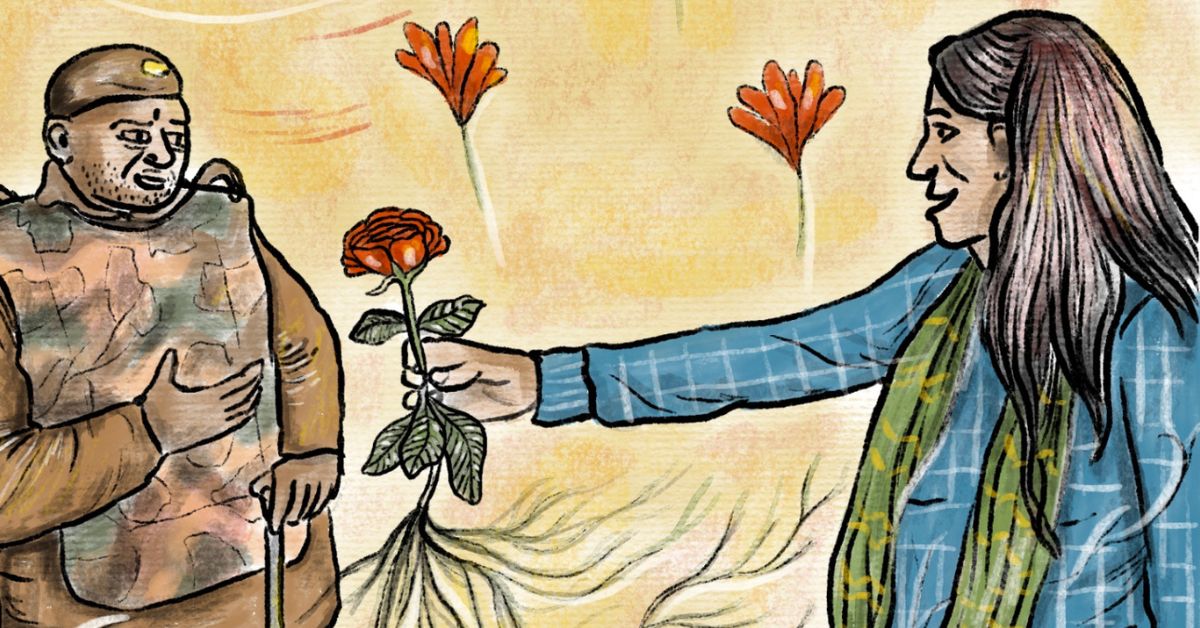
Artwork by Ita Mehrotra for Citizens for Justice and Peace.