
Citizens for Justice and Peace

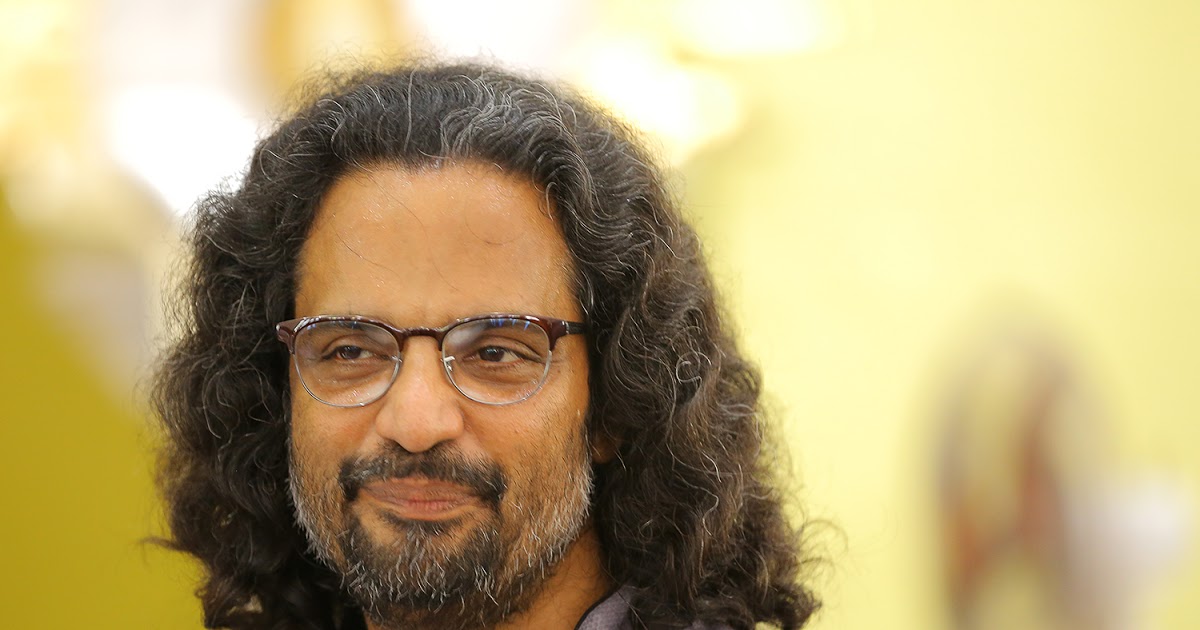
RONA WILSON
Rona Wilson is the public relations secretary for Committee for Release of Political Prisoners. He was at the forefront of the struggle to release SAR Geelani in the 2001 Parliament attack case. A voracious reader, he continues to prepare for his PhD from jail where he has been lodged for over 2 years now.
Charges
Sections 153A (promoting enmity), 501(1)(b) (statements conducing to public mischief), 117 (abetting commission of offence by the public or by more than ten persons), 120(B) (criminal conspiracy), 121 (waging war against Government of India), 121(A) (Conspiracy to commit offences punishable under Section 121), 124(A) (sedition) and 34 (common intention) of the Indian Penal Code (IPC) read with Sections 13 (advocating, abetting or inciting unlawful activity), 16 (terrorist acts), 17 (punishment for raising funds for terrorist act), 18 (conspiracy),18(B)( Punishment for recruiting of any person or persons for terrorist act), 20 (being member of terrorist gang or organisation), 38 (membership of a terrorist organisation), 39 (supporting terrorist organisation) and 40 (fundraising for terrorist organisation) of the Unlawful Activities (Prevention) Act, 1967 (UAPA)

ISHRAT JAHAN
An advocate, activist and a political leader, Ishrat Jahan, has been incarcerated in connection with the Delhi Riots conspiracy case. She was the first woman to become Congress’ Municipal Councilor from 2012-17, and had reportedly also been associated with the All India Congress Committee (AICC). She has been facing constant harassment and physical abuse from fellow inmates and has also developed medical issues like hypertension, anxiety and also suffered a spinal injury after taking a fall in prison.
Charges
Sections 13 (Punishment for unlawful activities), 16 (punishment for terrorist act), 17 (punishment for raising funds for terrorist act) and 18 (punishment for conspiracy) of the UAPA. Sections 147 (rioting), 149 (unlawful assembly), 307 (attempt to murder), 186 (voluntarily obstructing public servant on duty) of the Indian Penal Code. Sections 25 & 27 of the Arms Act and Sections 3 & 4 of the Prevention of Damage to Public Property Act, 1984 (These are some of the charges levelled against her missing from the page)

KHALID SAIFI
Khalid Saifi is a member of United Against Hate. He was implicated in the February 2020 Delhi violence case after being accused of dropping Delhi violence accused Tahir Hussain outside a building on February 27 and then seen entering the building with Umar Khalid.
Charges
IPC Sections 109 and 114 (abetment), 147, 148, (rioting), 149 (unlawful assembly), 153A (promoting enmity between different groups), 186 (obstructing a public servant from doing his duty), 212 (harbouring offender), 353 (assault or criminal force to deter public servant), 395 (dacoity), 427 (causing mischief), 435, 436 (causing mischief by fire), 452, 454 (trespassing), 505 (public mischief), 34 (acts done by several persons in furtherance of common intention), 120 (B) (criminal conspiracy), 124A (sedition), and UAPA Sections 13 (unlawful activities), Section 16 (terrorist acts), Section 17 (raising funds for terrorist acts) and Section 18 (conspiracy).

UMAR KHALID
Student leader and co-founder of United Against Hate, Umar Khalid is a courageous and outspoken defender of constitutional values. Constantly the target of the BJP government, Right-Wing trolls, rabid TV anchors and survivor of an assassination attempt, nothing has managed to subdue his voice.
Charges
Sections 186 (Obstruction of public servant from discharging duty), 153A (Wantonly giving provocation with intent to cause a riot), 427 (Causing damage by mischief), 120B (Criminal conspiracy), 302 (Murder), 353 (Assaulting public servant), 435 (Mischief by fire or explosive substance), 124A (Sedition), 307 (Attempt to Murder), 395 (Dacoity) and Sections 13, 16, 17 and 18 of UAPA
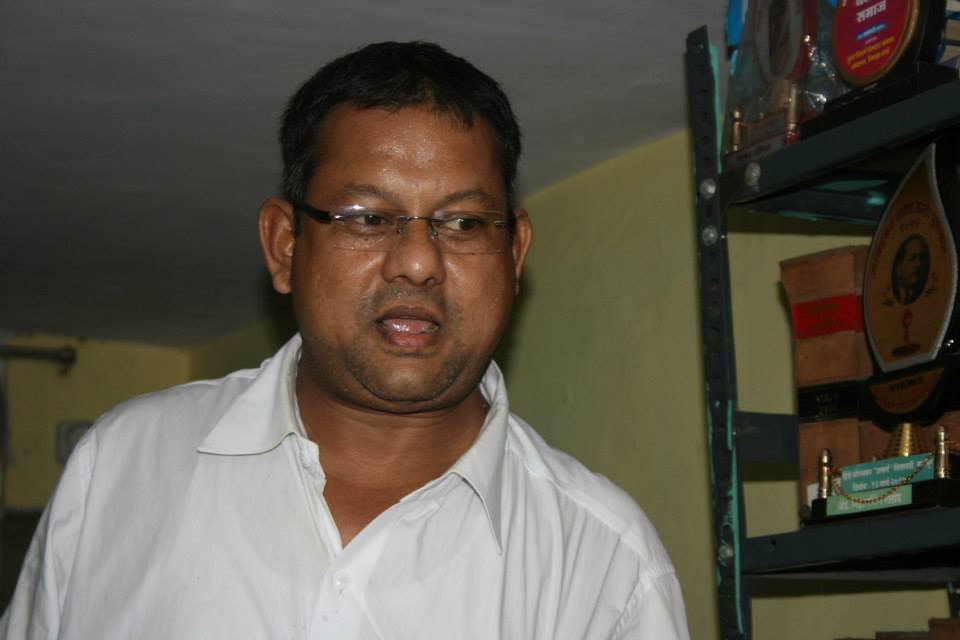
SURENDRA GADLING
Advocate Surendra Gadling is a human rights lawyer, best known for defending Prof. GN Saibaba and activist Arun Fereira. He is the president of Indian Association of People's Lawyers (IAPL) and has been at the forefront of the quest for justice for Dalits, tribals and other marginalised people. Hailing from a Dalit community himself, Adv. Gadling played a crucial role in the pursuit of justice in the aftermath of Khairlanji massacres, Ramabai Nagar agitations, cases pertaining to fake encounters etc.
Charges
Sec. 153A (promoting enmity between different groups on grounds of religion, race, place of birth, residence, language, etc., and doing acts prejudicial to maintenance of harmony), Sec. 505(1)(B) (public mischief), Sec. 121 (waging, or attempting to wage war, or abetting waging of war, against the Government of India), Sec. 121A IPC (conspiracy to commit offences, waging war against the state), Sec. 124A (sedition) of the IPC, and several sections under UAPA.
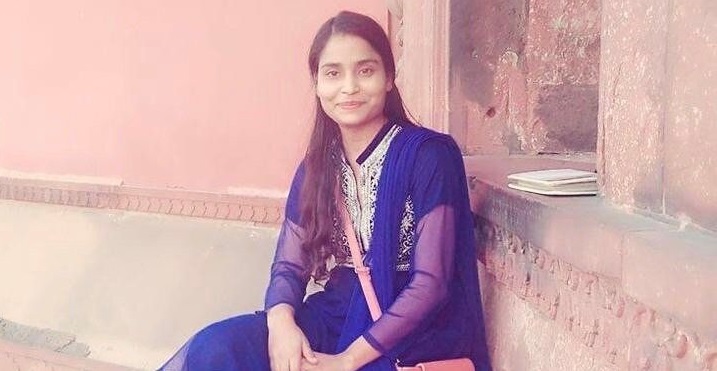
GULFISHA FATIMA
A student activist, Gulfisha Fatima was jailed for allegedly inciting violence during the February 2020 Delhi violence. After she alleged harassment by jail authorities, a Delhi court directed jail authorities to change the staff if necessary. In January 2026, she was granted bail.
Charges
Sections 147 (rioting), 186 (obstructing a public servant from doing his duty), 188 (disobedience to order), 353 (assault or criminal force to deter public servant), 283 (danger or obstruction in a public way), 109 (abetment) and 34 (acts done by several persons in furtherance of common intention) of the Indian Penal Code, UAPA

ARUN FERREIRA
Arun Ferreira, a courageous human rights defender, started his journey when he organised canteen workers, while he was at college, to demand better working conditions. He was instrumental in relocating slum-dwellers from Colaba to Goregaon (both in Mumbai). Targetting him for his social work, he has repeatedly been Behind Bars under fraudulent charges and has suffered torture while in jail. He compiled his experiences in his book Colours of the Cage.
Charges
Sections 121 (waging, or attempting to wage war, or abetting waging of war, against the Government of India), 121A (conspiracy to commit offences punishable by section 121), 124A (sedition), 153A (promoting enmity between different groups on grounds of religion, etc., and doing acts prejudicial to maintenance of harmony), 505(1)(b) (statements conducing to public mischief), 117 (abetting commission of offence by the public or by more than ten persons) and 120B (criminal conspiracy), read with 34 (common intention) of the Indian Penal Code (IPC), and under Sections 13 (punishment for unlawful activities), 16 (punishment for terrorist act), 17 (punishment for raising funds for terrorist act), 18 (punishment for conspiracy etc.), 18B (punishment for recruiting of any person or persons for terrorist act), 20 (punishment for being member of terrorist gang or organisation), 38 (offence relating to membership of a terrorist organisation), 39 (offence relating to support given to a terrorist organisation) and 40 (offence of raising fund for a terrorist organisation) of the Unlawful Activities (Prevention) Act, 1967 (UAPA).
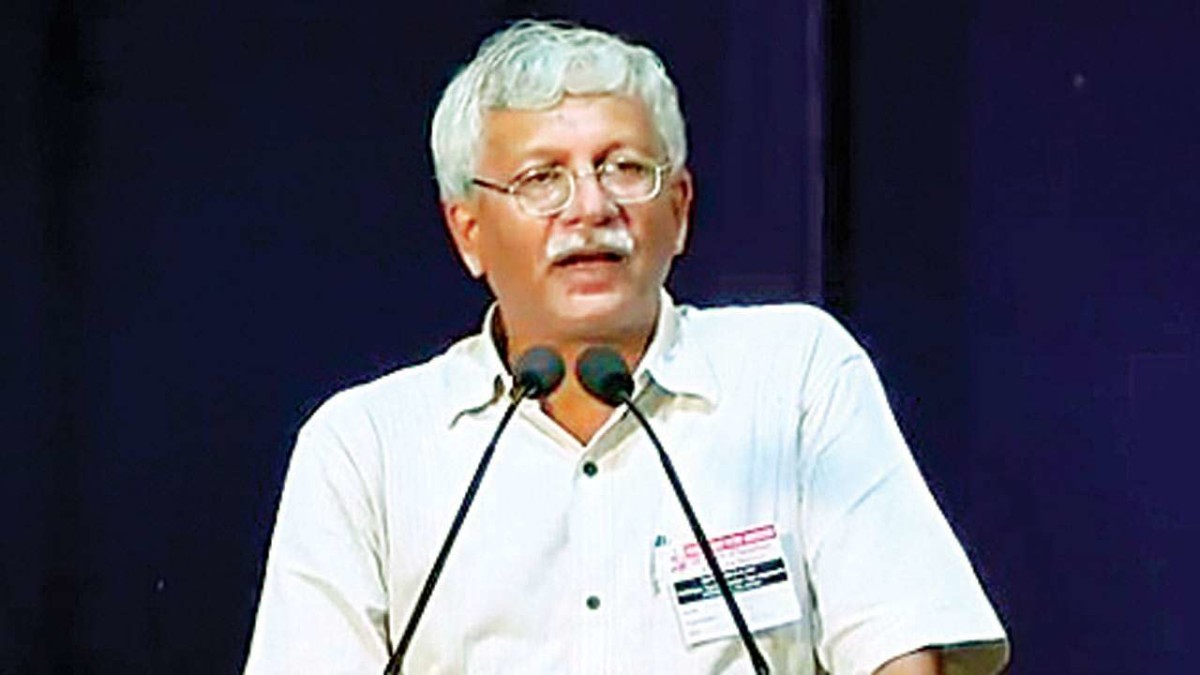
VERNON GONSALVES
Vernon Gonsalves is a trade unionist, activist, scholar, and author who has written extensively about the rights of Dalits and Adivasis, the state of Indian jails, and the everyday violations of prisoners' rights. He was a former professor of business management in a college in Mumbai. Gonsalves routinely critiques the establishment in his writing on current law and order concerns, together with Arun Ferreira. He also writes extensively the need to repeal UAPA. He was among the human rights activists arrested in connection with the January 2018 Bhima Koregaon violence. Gonsalves was previously arrested under the UAPA in 2007 and imprisoned for six years before being freed on all counts with the exception of one case that is currently pending. On August 19, 2007, the Maharashtra Anti-Terror Squad detained Gonsalves from his apartment in Mumbai. They claimed that he was a "top-level" Naxalite, in possession of explosives, a previous member of the Maoist central committee, and the former secretary of the Maharashtra State Rajya Committee. Under the UAPA, he was accused in 20 cases. Gonsalves was freed from jail on June 27, 2013. He was exonerated in 17 of the cases brought against him, convicted in one case while one was dismissed.
Charges
Sections 121 (waging, or attempting to wage war, or abetting waging of war, against the Government of India), 121A (conspiracy to commit offences punishable by section 121), 124A (sedition), 153A (promoting enmity between different groups on grounds of religion, race, place of birth, residence, language, etc., and doing acts prejudicial to maintenance of harmony), 505(1)(b) (statements conducing to public mischief), 117 (abetting commission of offence by the public or by more than ten persons) and 120B (punishment of criminal conspiracy), read with 34 (acts done by several persons in furtherance of common intention), of the IPC, and under Sections 13 (punishment for unlawful activities), 16 (punishment for terrorist act), 17 (punishment for raising funds for terrorist act), 18 (punishment for conspiracy etc.), 18B (punishment for recruiting of any person or persons for terrorist act), 20 (punishment for being member of terrorist gang or organisation), 38 (offence relating to membership of a terrorist organisation), 39 (offence relating to support given to a terrorist organisation) and 40 (offence of raising fund for a terrorist organisation) of the UAPA.
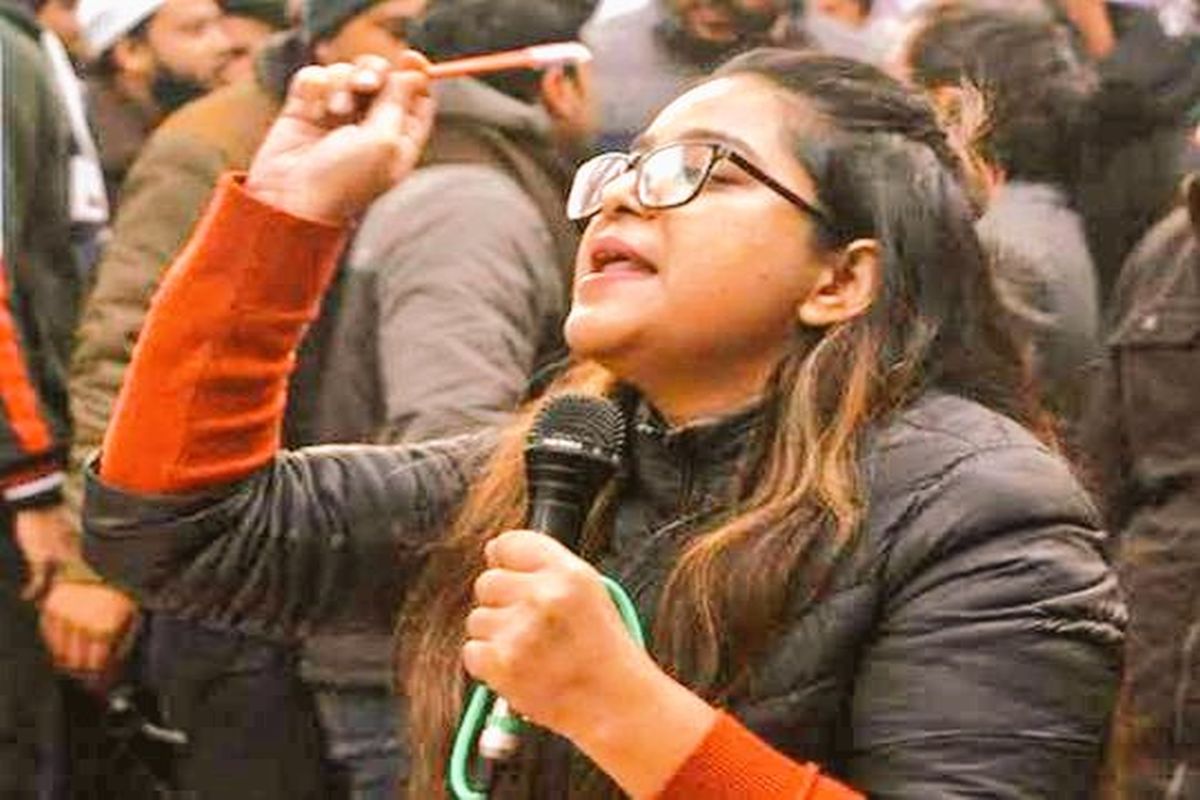
SAFOORA ZARGAR
Safoora Zargar is an activist who was incarcerated for participating in anti-CAA protests, this, in spite of being 3 months pregnant at that time. Deeply misogynistic rumours and posts were spread on social media by right-wing trolls in a bid to defame her. In August 2022, Safoora alleged that the Jamia Millia Islamia University was cancelling her admission by not extending the time allotted to her for submitting her thesis. Alleging discrimination, she also claimed that the university administration had used derogatory words to turn her away and called her a ‘dangai’ (rioter). This comes after the UGC May 2022 guideline permitting universities and higher education institutions to give an extension of up to six months beyond 30 June for M.Phil or Ph.D. thesis submissions on a case-by-case basis after reviewing a student’s work.
Charges
Initially booked under Sections of UAPA, Arms Act, and plethora of IPC Sections. The Delhi High court has only charged her under Sections 143 (unlawful assembly), 147(rioting),149 (member of unlawful assembly guilty of offence committed in prosecution of common object), 186 (obstructing public servant from carrying out his duties), 353 (assault or criminal force to deter public servant from discharge of his duty), 427 (mischief causing damage) of the Indian Penal Code (IPC) and Section 3 of Prevention of Damage to Public Property Act, 1984 (PDPP Act). Notably, the HC said that the accused will not be charged under other sections of law mentioned in the chargesheet since there is not enough material to implicate them under those sections of law.