


What We Know So Far: June 5, 2025
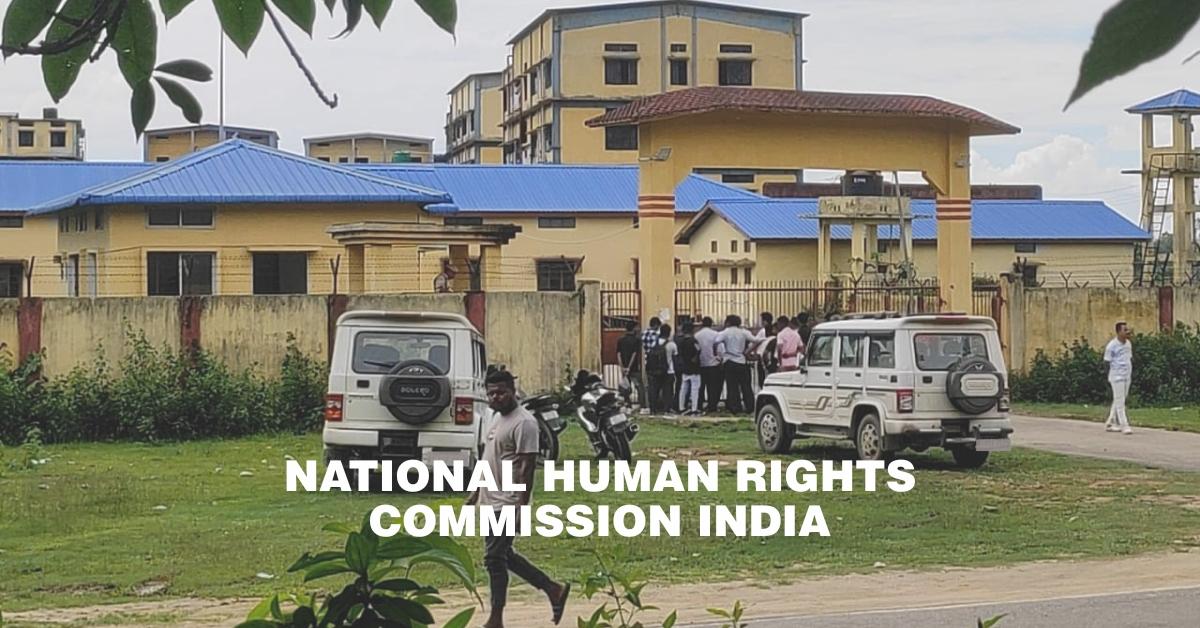
In a deeply unsettling supplementary memorandum submitted to the National Human Rights Commission (NHRC) on June 4, 2025, Citizens for Justice and Peace (CJP) have presented new evidence of a systematic campaign of detentions and cross-border expulsions of Bengali-speaking Muslim persons from Assam, without following due legal process. Based on over a dozen first-person testimonies and verified field documentation, the memorandum alleges that Assam Police and Border Security forces allegedly forcibly deported individuals—including elderly women, children, the chronically ill, and individuals previously granted legal relief—without following any lawful process or judicial sanction.
The original memo submitted to NHRC may be accessed here.
Survivors Speak: “They took our documents and our names”
The memorandum’s comprises six testimonies from women—aged between 35 and 65—who were picked up from their homes, detained incommunicado, stripped of identity papers, and forcibly pushed into Bangladeshi territory by Indian authorities between May 25 and May 30, 2025. These testimonies were collected in the first week of June by CJP’s ground team in Assam.
Every week, CJP’s dedicated team in Assam, comprising community volunteers, district volunteer motivators, and lawyers, provides vital paralegal support, counseling, and legal aid to many affected by the citizenship crisis in over 24 districts in Assam. Through our hands-on approach, 12,00,000 people successfully submitted completed NRC forms (2017-2019). We fight Foreigner Tribunal cases monthly at the district level. Through these concerted efforts, we have achieved an impressive success rate of 20 cases annually, with individuals successfully obtaining their Indian citizenship. This ground level data ensures informed interventions by CJP in our Constitutional Courts. Your support fuels this crucial work. Stand with us for Equal Rights for All #HelpCJPHelpAssam. Donate NOW!
Among them is Hajera Khatun, a frail diabetic woman protected by a Gauhati High Court stay order. She recounts being summoned to the SP office and then disappearing into a nightmarish journey through detention, alleged beatings, and abandonment in “no man’s land.” Another survivor, Sona Bhanu, whose deportation had been stayed by the Supreme Court since 2018, was allegedly blindfolded, given Bangladeshi currency, and dumped across the border under threat. “We thought they would shoot us,” she recalled.
The other four—Rahima Begum, Jahanara Begum, Ashifa Begum, and Sahera Khatun—shared eerily similar experiences: fingerprinted without consent, denied food and water, mocked, allegedly beaten, and pushed through swamps under cover of darkness. Some were later discovered by Bangladeshi villagers and sent back. Several suffer from trauma and health complications, with no support provided by Indian authorities upon return. (Details may be read here.)
The Kin Left Behind: “We found her in a Facebook video from Bangladesh”
CJP also documented testimonies from the families of the disappeared. In many cases, relatives were given no information for days, left to guess at the fate of their loved ones through viral videos or social media posts from across the border.
- Barek Ali, son of Manikjan Begum, said: “We went to the SP office to give her the baby. After that—nothing. Then someone sent us a video from a Bangladeshi news channel. She was standing in a field with my baby sister.”
- Imran Ali Khan searched for his mother, Maleka Begum, across detention camps after she was taken on May 25. He finally saw her face in a social media post from Bangladesh.
- Babul Hussain, son of stroke-afflicted Altap Hussain, described how police dragged his paralyzed father away at 2:30 AM. “I brought his medicines, but no one told me where he was.”
In each case, the pattern is consistent: unannounced detention, no arrest records, no legal procedure, no communication—and families left begging for scraps of information.
The four released
Perhaps the most shocking revelation is that four individuals previously released through CJP’s legal efforts—after being declared “foreigners” and spending years in detention—have once again been similarly expelled. Their names:
- Doyjan Bibi
- Abdul Sheikh
- Mojibur Sheikh
- Samsul Ali
Each had been released from Goalpara or other detention camps through court-monitored bail proceedings and had been complying with all conditions—regular police appearances, and possession of valid documentation. Despite this, all four were re-detained and forcibly removed from Indian Territory without any deportation orders, legal notice, or due process.
Doyjan Bibi, for example, was allegedly pushed across the border and is now in Mymensingh District Jail in Bangladesh, facing criminal charges under Section 4 of the Bangladesh Control of Entry Act. Her forcible expulsion into foreign territory while her citizenship case remains pending in India amounts to being driven by questionable acts of the Assam Border Police into a state of statelessness.
Abdul Sheikh and Mojibur Sheikh have been located via social media posts stranded in No Man’s Land, cut off from aid, legal recourse, or repatriation. Samsul Ali has reportedly been taken into custody by Bangladeshi police at Patgram Police Station. All had been under legal supervision and yet were disappeared and dumped across borders in a blatant violation of laws.
Stolen identities, and violated rights
CJP’s memorandum lays out an expansive account of unlawful conduct:
- Detentions without warrant or disclosure
- Fingerprinting and biometric data collection without consent
- Seizure and destruction of legal identity documents
- Transport to detention centres in secrecy
- Abandonment in dangerous, unsheltered border terrain
- Mistreatment by Bangladeshi guards and villagers
- Denial of medical care and separation of mothers from infants
A call for action
CJP have urged the NHRC to:
- Launch an urgent, independent inquiry into these operations
- Summon senior Assam officials to account for each disappearance and expulsion
- Provide legal, medical, and psychological support to all survivors
- Cease all illegal deportations and protect vulnerable minorities
- Prosecute and punish officials responsible for these violations
- Locate and ensure the safe return of all missing persons
The memorandum closes with a stark warning: “This is an unprecedented human rights and humanitarian crisis/ emergency. The Constitution does not permit any government to extinguish liberty, ignore judicial process, and abandon citizens to the peril of statelessness or exile. We urge the NHRC to take strong, immediate, and public action to halt these abuses and restore the rule of law in Assam.”
The complete supplementary memo may be read here.