


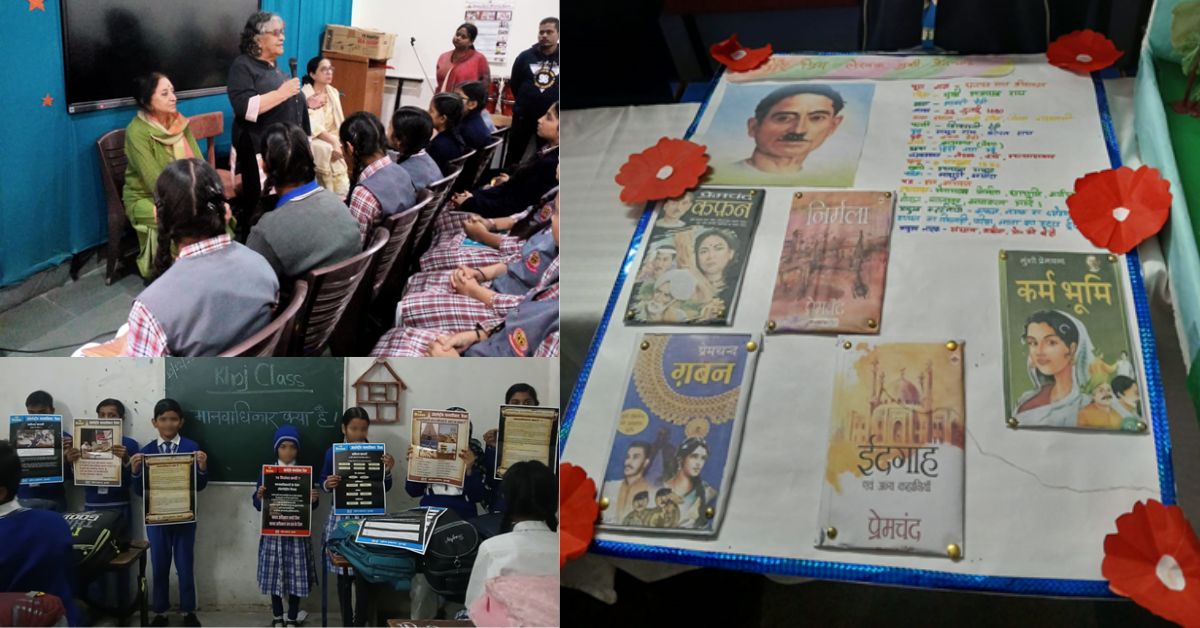
Problem Solving Session
In November 2025, Khoj organised a problem-solving session with 5th and 6th grade students from United Public School, Varanasi, as part of its ongoing effort to bring meaningful, reflective learning into the classroom.
Central to Khoj’s work with young learners, the exercise was designed to have young learners identify an issue, work out a solution and put their thoughts into words, empowering children to become active, thoughtful members of their community, rather than passive bystanders.
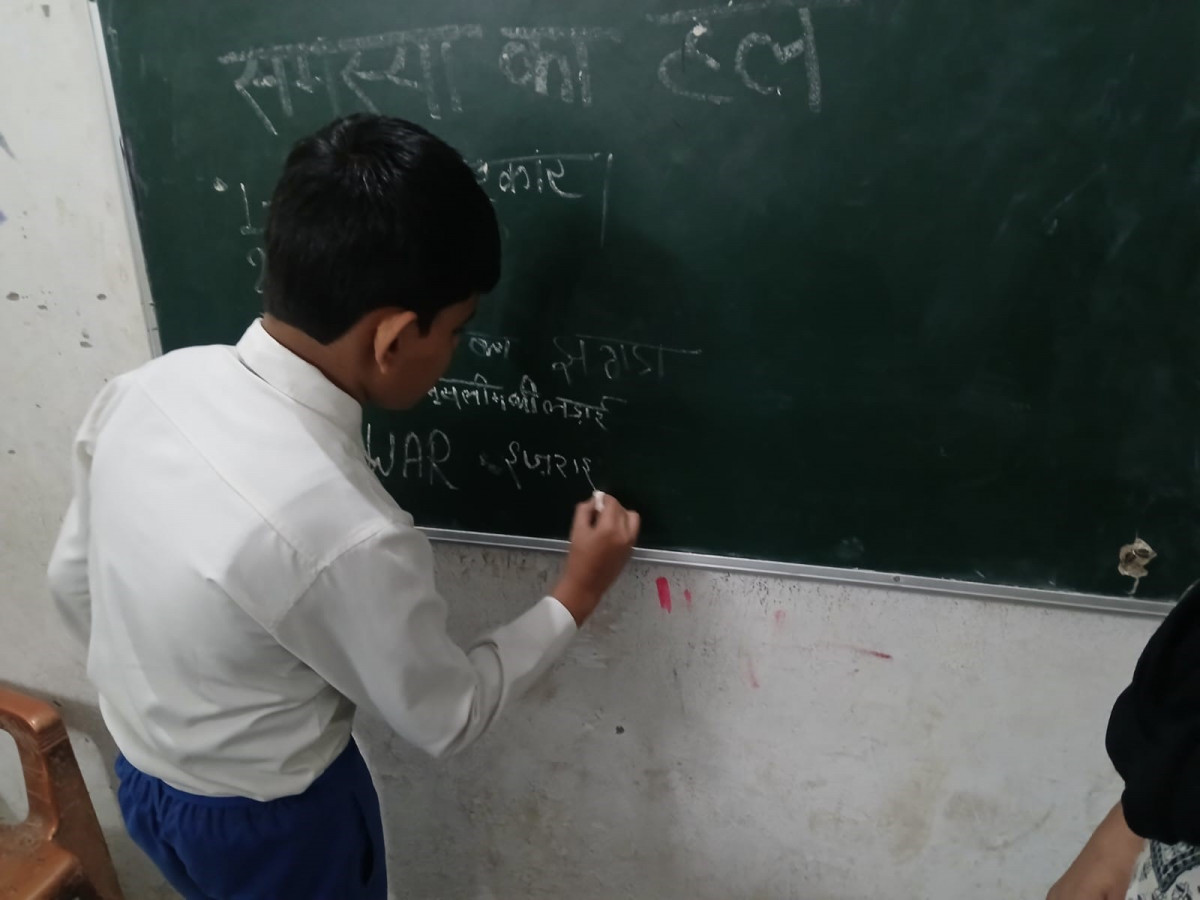

This session offered a glimpse into how these children see and make sense of the social crises unfolding around them. Take for instance, a sixth-grader at the school who captured the economic and civic frustration felt in many households around him.
He pointed out rising unemployment, soaring prices of goods, and the prolonged construction of the Saraiya bridge, ongoing since 2023, as a source of persistent pollution that he argued brought no tangible benefit to residents.
Furthermore, the matter of communal harmony surfaced as a dominant concern throughout the session. One Student explicitly named the suffering of both Hindus and Muslims as “our biggest problem,” while his classmate called out for people of all faiths to live with mutual love and respect.
Another student, from the same school, made a connection between the wider society and home, writing that families should sit together to resolve disputes, a principle she extended to the Hindu-Muslim divide and the issue of pollution.
Many fifth-grade students from the same school also pointed out issues in infrastructure and basic civic amenities. The students described the roads and streets of their neighbourhood as being severely damaged. Students further reported that blocked sewers during heavy rains and flooding force dirty water into their homes, worsening the existing situation.
Collectively, these responses depict how national tensions, local issues and family struggles intersect in the minds of young children. Ultimately reflecting the very concerns that shape the everyday lives of the communities each one belongs to,
Experts Lead Conversations on Equality and Rights
Three prominent academicians and social activists engaged with students from two schools in Varanasi as part of the Khoj Programme on a wide range of matters, such as caste, gender, equality, other constitutional values and fundamental rights.
This event, held in November 2025 at the William Henry Smith Memorial School and the Thelma David Memorial School, saw students ask questions on issues that shape their everyday lives.
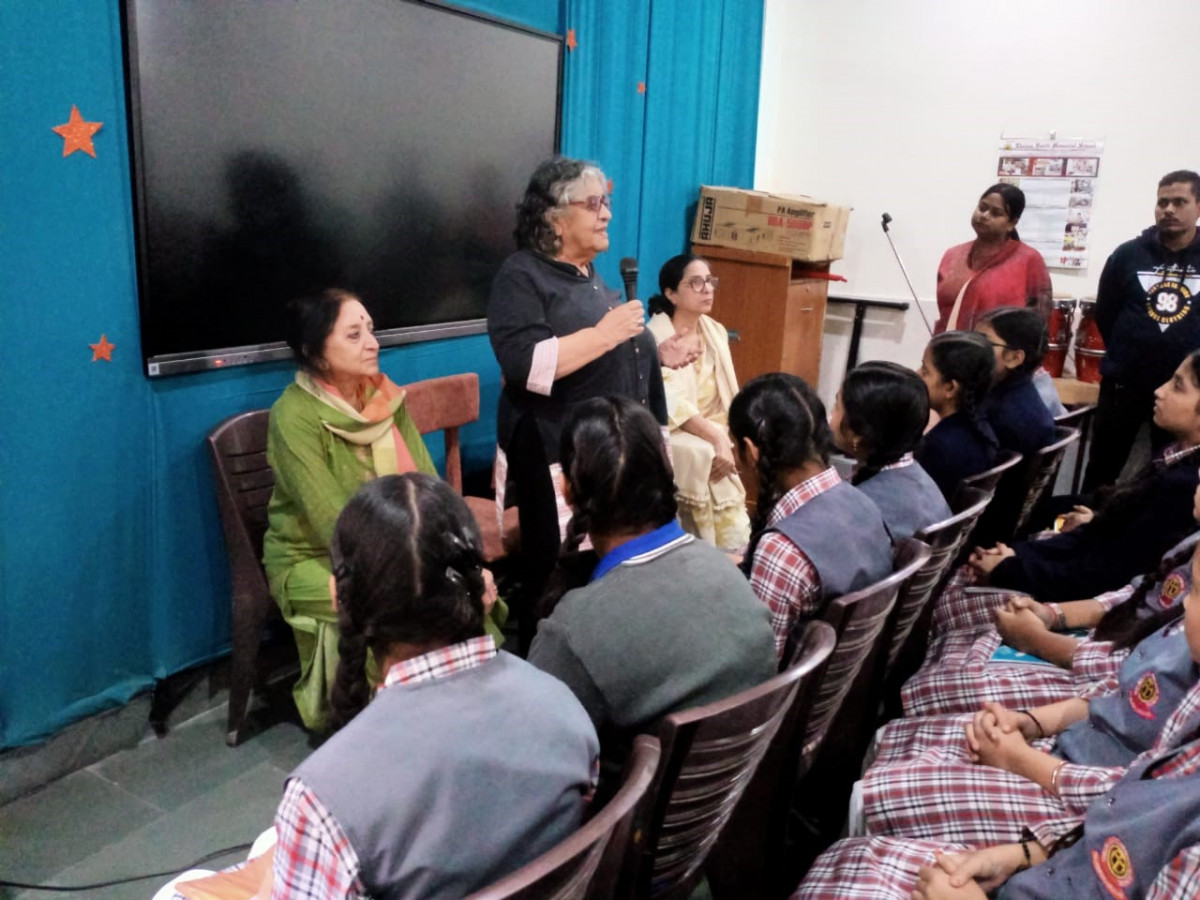

Vasanthi Raman, currently Chairperson of the Centre for Women’s Development Studies (CWDS), New Delhi, and formerly a member of the Indian Council of Social Science Research (ICSSR), has published extensively on social transformation, marginalised communities, communalism, and Hindu-Muslim relations.
She was joined by Persis Ginwalla, a freelance consultant with over three decades of experience in working with NGOs in Gujarat on Dalit rights, gender justice, women in Panchayati Raj, and land rights struggles.
The third guest was Wandana Sonalkar, a retired professor from the School of Development Studies at the Tata Institute of Social Sciences, Mumbai, whose areas of expertise span gender and caste, political economy, and literature.

Together they gave presentations on a wide array of subjects that informed students about the social realities that surround them before opening the floor to a lengthy question and answer session that brought about enthusiastic participation from students at both schools.
At the Smith School, students put forward questions on gender, colour, bullying, equality, and the right to education, reflecting an awareness of the social challenges they face in their own surroundings. Students at the Thelma David School were equally keen and asked numerous questions that were all addressed by the guests with patience and depth.
All three guests responded to the questions with clarity and care, making use of their years of experience in academia and grassroots work to explain constitutional rights and social justice in terms that young audiences can understand. They also took the opportunity to inform students about their fundamental rights and the protections guaranteed to them under the Indian Constitution.
Khoj has previously organised similar events across its schools in Varanasi. The idea behind such events is to help children identify instances where rights are violated and provide them with the language and confidence to respond.
The Khoj programme, through such dialogues, continues to build a foundation of critical awareness and civic understanding among school-going children in Varanasi, contributing to building a generation that is not only informed but also equipped to advocate for itself and others.
International Human Rights Day
Students at the United Public School in Varanasi expressed deep anxieties about belonging, security, and access to rights during a Human Rights Day discussion held on December 10, with a sixth-grade child at the school stating plainly that despite constitutional guarantees, minority communities in the city are living under fear.
The discussion, facilitated by Khoj, centred on an interactive conversation about the Constitution, the Preamble’s principles of equality, justice, liberty, and fraternity, and how these rights apply to students’ everyday lives.
During the discussion, a sixth-grade student said that while constitutional rights exist on paper, the government appeared to be attempting to expel people on the basis of their religion. Teachers acknowledged that the child’s views likely reflected conversations heard at home and from the news; this shows the powerful role the environment plays in shaping a child’s perceptions of their own citizenship.
As a result, the broader context behind these anxieties is difficult to ignore. In Varanasi, demolitions of homes using bulldozers have been affecting residents in the Saraiya locality, where the United Public School is situated.
Children hear that they cannot eat certain foods, wear certain clothes, or offer namaz or that mosques are being destroyed. Teachers used the occasion to specifically understand how such events are affecting children’s sense of security, housing, education, and religious freedom.
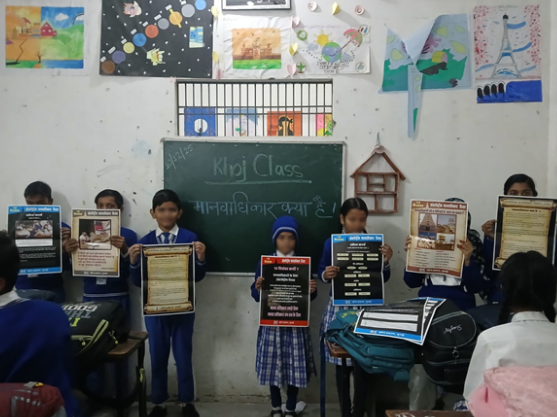

Other students raised concerns about the right to education, saying that despite constitutional provisions, private schools remain financially inaccessible to their families. The teachers responded by explaining the 25 per cent reservation quota under the Right to Education Act, which allows children from weaker sections to seek admission to private institutions.
Articles 14 and 15 of the Constitution, guaranteeing equality and prohibiting discrimination on grounds of religion, caste, gender, or place of birth, were also explained in a way the children could understand.
The teachers emphasised that India’s secular Constitution guarantees every citizen the right to live with dignity, regardless of religion or caste. They stressed that discriminatory acts are carried out only by a fringe and do not define the country’s founding principles. Children were also told about avenues available to them if they feel their rights are being violated.
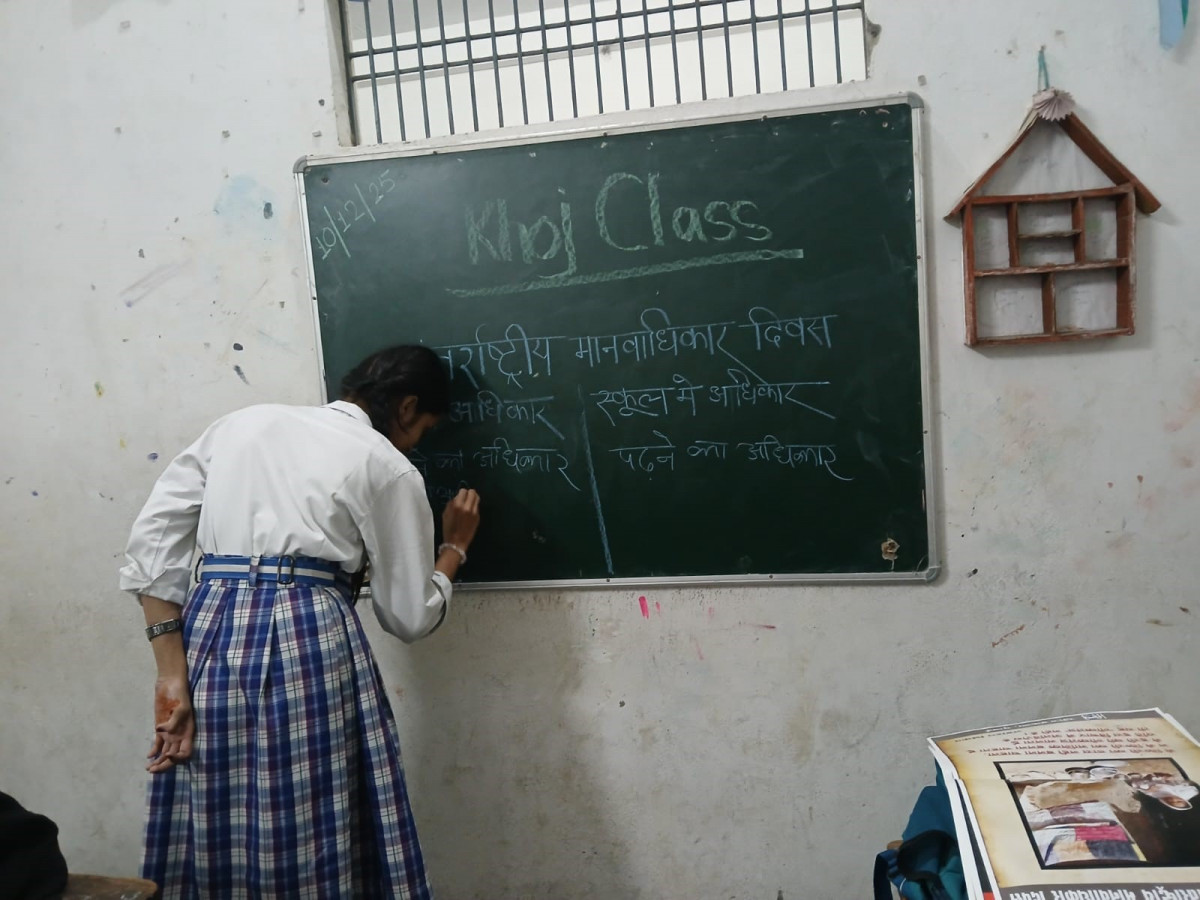

The session concluded with a discussion of duties alongside rights, using posters provided by CJP to depict responsibilities at home, in school, and within society, grounding an otherwise difficult conversation.
By creating safe, open spaces for children to ask difficult questions, Khoj empowers students not merely to memorise rights but to think, question, and connect the things learned to their lived realities. This kind of engaged civic education builds confident, informed citizens from an early age.
This session organised by Khoj at the United Public School is one of the many examples that demonstrate how Khoj turns classrooms into spaces where every child’s voice is valued and heard, connecting textbooks to real life experiences.
Annual Exhibition
Thelma David Memorial School held its annual exhibition on December 13, 2025, under the theme “Khoj”, a word meaning “search and discovery”. The exhibition displayed a colourful collection of projects, models, experiments, art installations, and creative presentations prepared by students coming from all grades, participating as per their individual interests and talents.
The exhibition, conducted under the Khoj programme run by CJP, saw children presenting their models in Urdu for the first time, alongside Hindi and English, expressing the spirit of unity and pluralism that Khoj endeavours to instil in children.
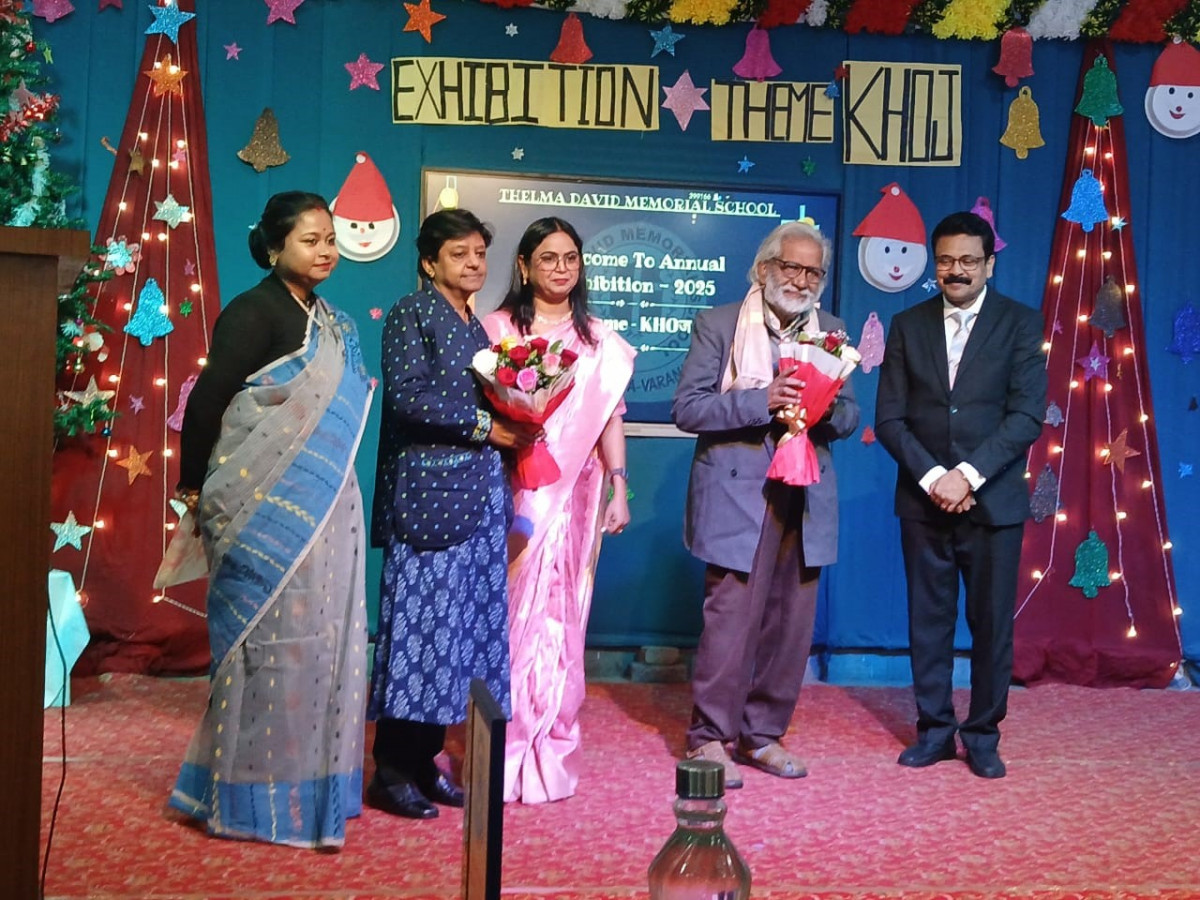

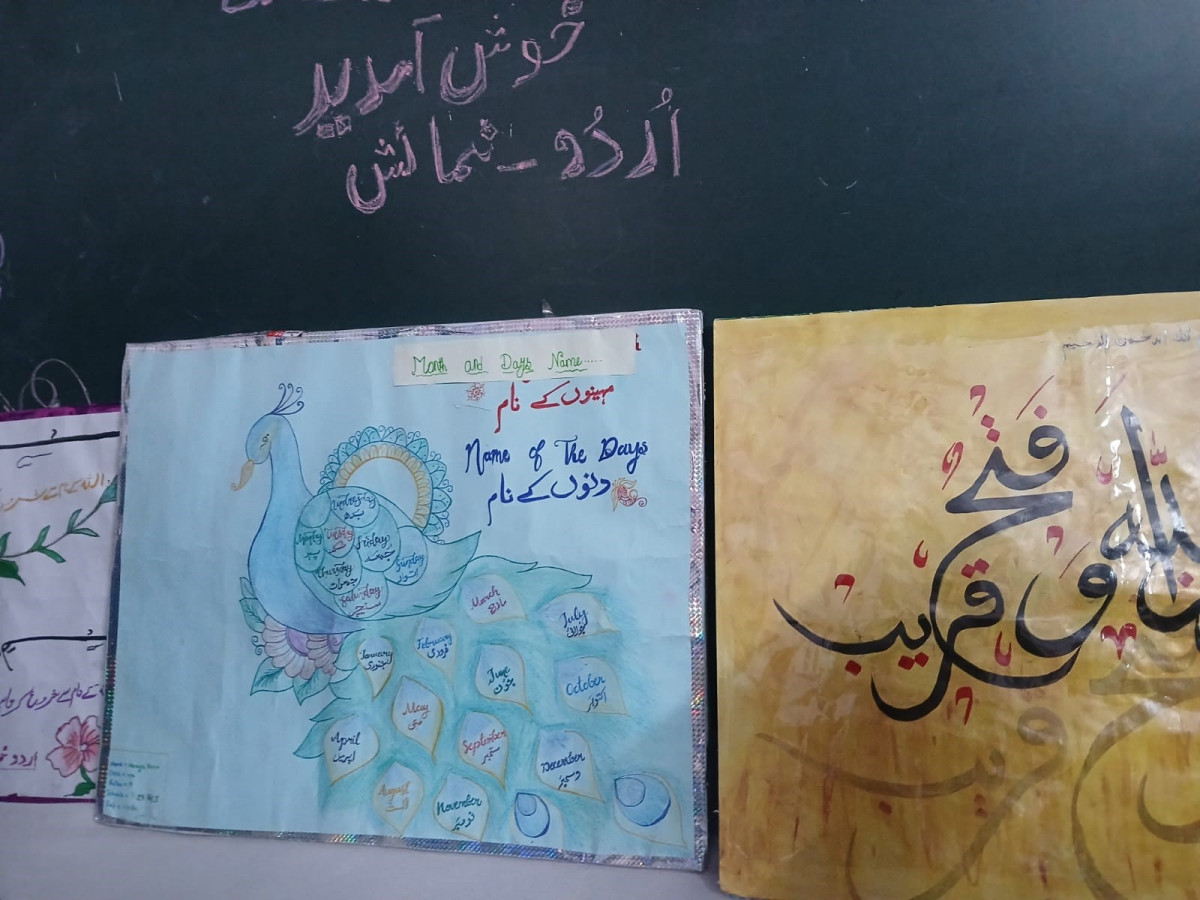

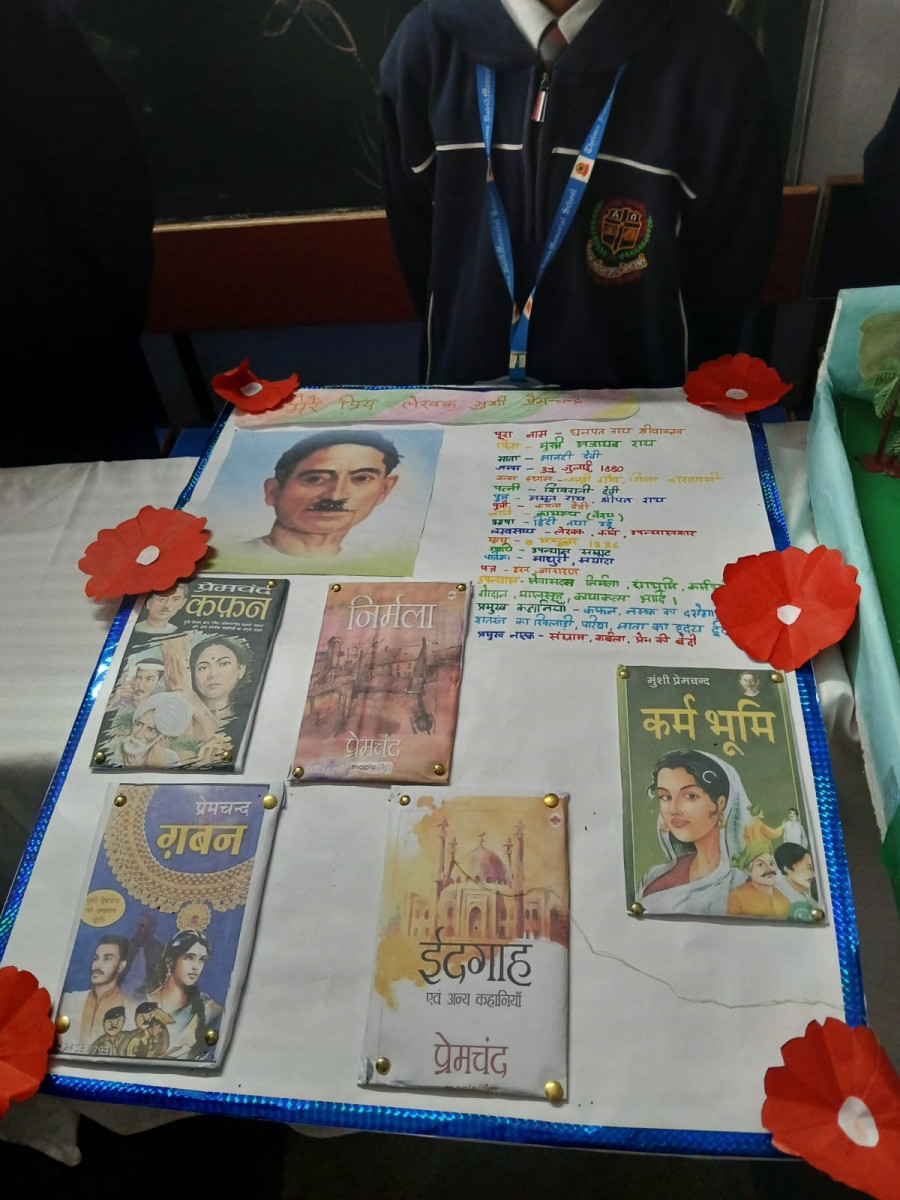

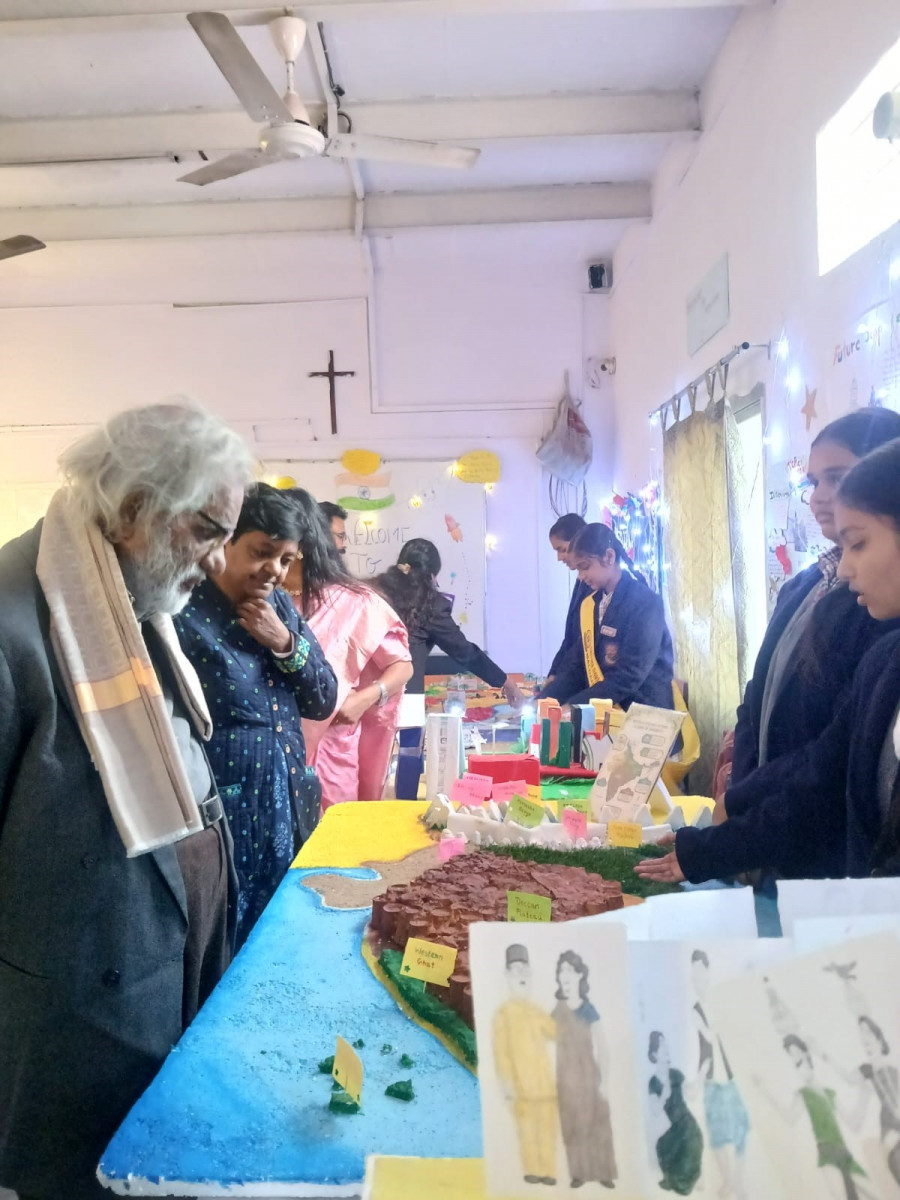

As the chief guest, the exhibition was attended by Professor Dipak Malik, a retired BHU professor and the former director of the Gandhian Institute of Studies at Varanasi. The professor was highly impressed and lauded the students for their efforts. He mentioned during his speech at the exhibition that he learns something new every time he interacts with children.
At the heart of his address, Professor Malik urged the students to develop a deeper desire for knowledge that extends well beyond the boundaries of their textbooks. He encouraged them to be observant of their immediate surroundings, including their communities, their country and, wherever opportunity allows, the world beyond national borders.
“The day we lose our curiosity”, he warned, “our desire to learn will cease.” He further reiterated that children should never shy away from asking questions, asserting that doubts expressed publicly are more valuable than silence.
Professor Malik then raised broader social issues, calling on students to be more aware of the invisible walls that divide society, like those of religion, caste, wealth, poverty, and geography. He warned them that in the near future, the times will be tough and that the youth must proceed carefully, nurturing a harmonious atmosphere, rather than deepening existing divisions.
Further elaborating on his point, Professor Malik mentioned historian Romila Thapar, recounting an incident where Professor Thapar said that writing for adults is manageable but writing for children is far more challenging because what is said to a child leaves a lasting impression on their minds. Professor Malik used this incident to remind educators to exercise great care in how they communicate with children.
The exhibition was brought to a lively close after an engaging question and answer session between Professor Malik and the students, embodying the very essence of curiosity and inquiry that the theme “Khoj” was designed to celebrate.
(The programme research team of CJP also consists of interns; this resource has been worked on by Ishan Bhatnagar)
Related:
Khoj students in Varanasi engage in activities to challenge prejudice
How Young Minds Engaged with the Constitution | Khoj 2025 | CJP